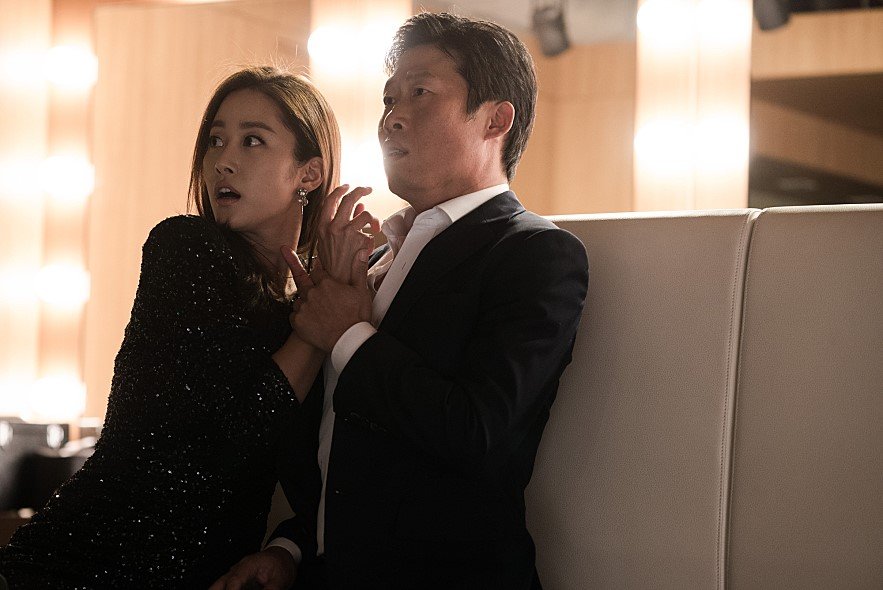
Luck-Key takes a familiar identity-swap premise and turns it into an energetic Korean action comedy. After a highly skilled assassin loses his memory in a bathhouse accident, he is mistakenly led to believe that he is an unsuccessful actor. Meanwhile, the struggling actor who switched their locker keys begins living with the assassin’s money and possessions.
The situation gives the film plenty of room for comedy. A man with exceptional discipline and physical ability tries to build a career from tiny acting roles, while the far less capable actor becomes involved in a life he does not understand. Their contrasting personalities keep the switched identities entertaining rather than merely confusing.
Yoo Hae-jin is especially well suited to this kind of comedy. He can make an ordinary reaction funny without forcing the scene, while also remaining convincing when the story moves into action. The film benefits from that balance: its humor grows naturally from the characters and their circumstances instead of depending only on isolated jokes.
Luck-Key is a good example of how polished Korean commercial comedy had become by the mid-2010s. It combines mistaken identity, action, romance, and character-based humor in a way that remains easy to follow and consistently entertaining. The result is a genuinely enjoyable comedy that shows the growing confidence and skill of Korean filmmakers working in the genre.